





New Car Protection: How to Protect a New Car in the First 30 Days

New car excitement fades fast, and so does that showroom-fresh look if nothing is done to protect it. The good news is that a new car is the easiest car you will ever protect, since there is no existing damage to work around, no old wax to strip, no stains already set into the carpet. Every product goes onto a clean slate.
This covers the five things worth handling in the first 30 days: paint, seats, the steering wheel, carpet, and interior UV protection, plus one common myth about new car paint worth correcting before it changes how you treat the first month.
Everything below comes from Lane's Car Products, and if paint protection is the first thing on your list, our guide on professional car wax spray covers picking the right finish in more depth.
The Myth Worth Correcting First
A lot of advice floating around says to wait 30 to 90 days before waxing a new car, because the paint needs to cure. That advice is real, but it applies to a body shop repaint, not factory paint. Repainted panels cure slowly at ambient temperature over weeks.
Factory paint is different: automakers bake clear coat onto the body at high temperature on the assembly line, which cures it far faster than any repaint job ever could. By the time a new car reaches a driveway, the paint underneath is not the fragile, uncured surface that repaint advice is warning about. What it actually is, is unprotected.
There is no wax or sealant layer yet, which means it is exposed to sun, rain, and road grime with nothing standing between the clear coat and the elements. That is the real reason the first 30 days matter, and it is a reason to protect sooner, not wait.
1. Paint Sealant: Lock In the Factory Finish

Since factory paint is already cured, there is no reason to wait to protect it. Super Seal Paint Sealant lays down a polymer coating built to protect against UV rays and harsh weather for up to six months per application, which means starting in month one instead of month three simply buys more protected time before the first reapplication.
Applying sealant to paint that has never had a swirl mark or a water spot is also the easiest sealant job you will ever do, since there is no correction step first, just clean, dry paint and a straightforward application.
2. Seat Protection: Guard Against the First Spill

The first coffee spill, the first muddy paw print, and the first sun-faded patch all happen to seats that have never needed cleaning before, which makes early protection the cheapest insurance available.
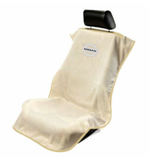
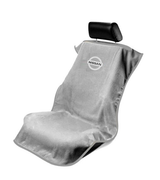
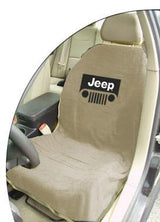
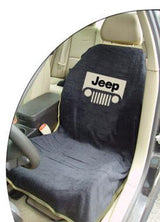
Lane's Seat Cover Towel lineup, available blank or embroidered by make, slides over the seat and absorbs sweat, stains, dust, and UV exposure before any of it reaches the upholstery underneath. It is far easier to put a towel over a spotless seat on day one than to treat a stain that has already set.
3. Steering Wheel Cover: Protect What Your Hands Touch Every Mile

The steering wheel is the single most-touched surface in the car, and factory leather or vinyl shows wear from hand oils and sun exposure faster than almost anything else in the cabin.
A hand-laced, vehicle-specific Wheelskins cover protects the factory wheel underneath while adding grip, and installing it on a wheel with zero existing wear means the factory surface stays exactly as it is the day the cover goes on, not as it is after a year of bare-hand exposure.
4. Carpet Protection: Two Different Jobs, Two Different Tools

Carpet protection actually covers two separate needs, and new car owners often only think of one. For genuinely messy stretches, moving boxes in, hosting guests, or a period with muddy shoes and pets in and out, a roll of adhesive carpet protection film is the same product dealerships use to keep demo vehicles clean, rated for coverage up to 45 days at a time and simply peeled off when the mess-prone period is over.
For everyday, ongoing protection rather than a temporary shield, a fabric and carpet protector spray repels liquid staining on contact, which is the better long-term tool once the initial move-in or high-traffic period has passed. Browse both in the Interior Cleaning Tools collection.
5. UV Protection for Interior Plastic and Vinyl
Dashboards and interior trim start absorbing UV damage from day one, even through glass. A peer-reviewed study on UV transmission through vehicle windows confirms that meaningful UV radiation reaches interior surfaces despite the glass in between, which is exactly why a dashboard can fade sitting inside a cabin that never gets rained on.
Lane's Interior Shine, bundled with Power Clean in the Auto Interior Shine & Vinyl Cleaner Kit, adds UV protection to vinyl and trim without leaving a greasy residue, and applying it before the first sign of fading keeps the factory color intact instead of trying to restore it later.
The First 30 Days, at a Glance
-
Wash and dry the car completely before applying anything.
-
Apply paint sealant to the cured, unprotected factory finish.
-
Fit seat covers before the first spill or stain happens.
-
Install a steering wheel cover on the still-unworn factory wheel.
-
Choose carpet film for a messy stretch or a fabric protector spray for ongoing use.
-
Apply UV interior protection to the dashboard and trim.
None of these steps depend on each other, so they can happen over one weekend or spread across the first month, whichever fits your schedule better.
Frequently Asked Questions
We Protect Cars Before They Ever Need Restoring
Lane's Car Products was built inside a working detail operation, not a marketing department. Since 2000, our parent company Fast Lane Detailing has prepped new and trade-in vehicles alike, and more than 40 dealerships trust our made-in-USA products to protect a car's factory condition from day one. Learn more on our About Us page.
Ready to protect the car before it needs restoring? Shop Exterior Products for sealant and Interior Car Care for everything inside the cabin.
Frequently Asked Questions
Do I need to wax a brand new car?
Yes, and there is no need to wait, since factory paint is oven-cured at the assembly line and is not the fragile, slow-curing surface that repaint advice warns about. The paint is simply unprotected without a sealant layer, which is a reason to apply one sooner rather than later.
How do I protect my new car's interior?
Cover the seats, protect the carpet, add a steering wheel cover, and apply UV protection to plastic and vinyl trim before any of it shows wear. Every one of these is easiest to apply to a surface that has never been stained, worn, or faded yet.
What is the best way to protect new car seats?
A seat cover towel absorbs sweat, stains, and UV exposure before it reaches the factory upholstery underneath. Fitting one in the first days avoids ever having to treat a stain that has already set into the fabric.
Is carpet protection film worth it for a new car?
It depends on the situation: film is the right tool for a temporary messy stretch, while a fabric protector spray suits ongoing, everyday protection. Dealerships use the same film to protect demo vehicles for exactly this reason.